

Table of Contents Show
Exploring the Intersection of Friendship and Romance in Dating
When Familiarity Starts to Feel Different
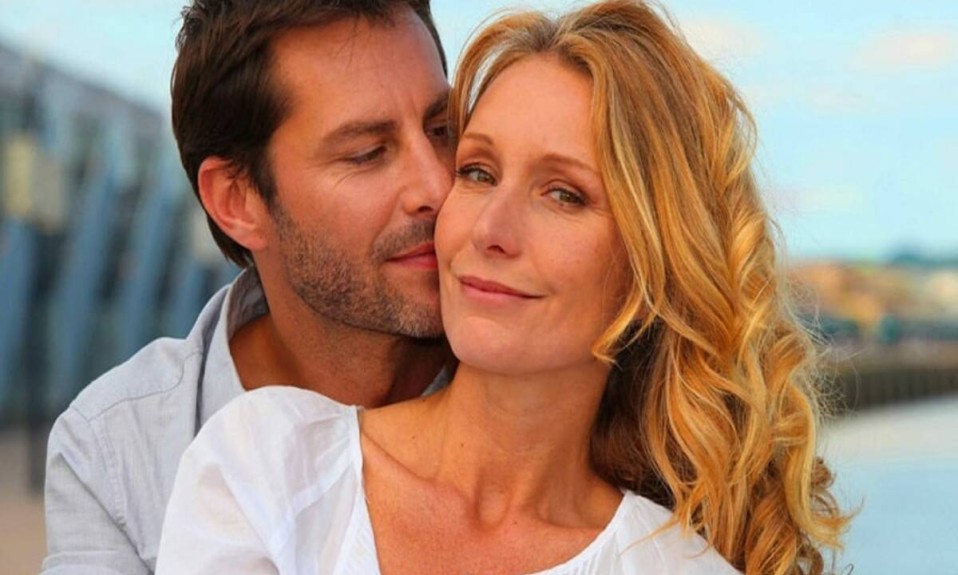
Some of the most confusing romantic moments don’t begin with sparks or grand gestures. They begin quietly, in comfort. You’ve known someone for years. You laugh easily, understand each other’s moods, and feel safe in their presence. Then, one evening, something shifts. A lingering glance. A joke that lands differently. A sense that the emotional closeness you’ve shared might hold more than friendship.
This transition — from platonic connection to romantic possibility — is increasingly common. As dating culture evolves, many relationships grow not from chance encounters, but from deep familiarity. Navigating this space requires emotional awareness, honesty, and care, because the stakes often feel higher when friendship is involved.
Why Friendship Often Becomes the Foundation for Romance
Friendship offers what many romantic relationships spend years trying to build: trust, emotional safety, and genuine understanding. When two people already share these qualities, romance can feel like a natural extension rather than a leap into the unknown.
Research consistently shows that relationships rooted in friendship tend to be more stable and resilient. Shared experiences create a strong emotional bond, and communication often feels easier when it’s built on years of mutual respect.
Yet this same closeness can make the transition delicate. The fear of disrupting something meaningful can hold people back, even when romantic feelings are present.
The Emotional Complexity of Crossing the Line
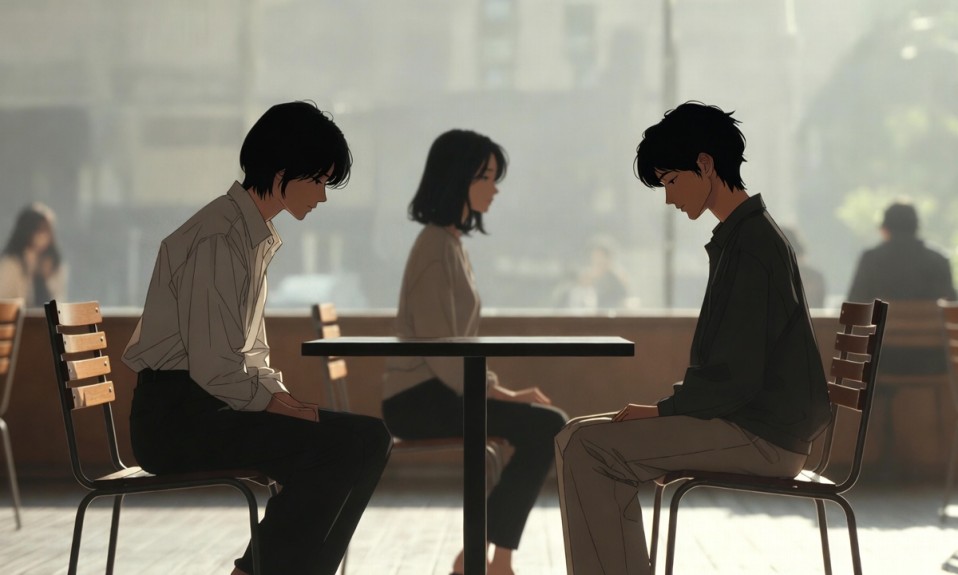
When friendship and romance intersect, vulnerability intensifies. The risk isn’t just rejection — it’s loss. Many people fear that expressing romantic interest could permanently alter the dynamic or end the friendship altogether.
This fear often leads to silence. Feelings remain unspoken, and tension quietly builds. What once felt easy can become charged with uncertainty, creating emotional distance where closeness once lived.
Acknowledging these emotions is essential. Unexpressed feelings don’t stay neutral — they tend to reshape the relationship in subtle but impactful ways.
Communication as the Turning Point
Honest communication is the single most important factor in navigating this transition. While the conversation may feel intimidating, clarity is kinder than ambiguity.
Approaching the topic with openness — without pressure or expectation — creates space for mutual understanding. Expressing feelings through personal perspective rather than assumption helps maintain emotional safety. For example, sharing curiosity or evolving feelings rather than demands allows the other person to respond honestly.
Whatever the outcome, respectful communication preserves dignity on both sides.
Adjusting to a New Dynamic
If both people choose to explore romance, the relationship may feel unfamiliar at first. Inside jokes, routines, and emotional rhythms can shift as romantic awareness enters the picture. This adjustment period is natural.
Maintaining the elements that made the friendship strong — humor, support, honesty — helps ground the relationship during this transition. Regular check-ins allow both people to voice concerns and recalibrate expectations as the dynamic evolves.
Romance doesn’t erase friendship; it builds on it.
When Feelings Aren’t Mutual
Not every expression of romantic interest is reciprocated. While painful, a thoughtful response can prevent unnecessary damage. Acknowledging feelings with kindness and setting clear boundaries allows both people to move forward with integrity.
In some cases, friendships recover and even deepen after honest conversations. In others, distance may be needed. Either outcome is valid. What matters is that both people are treated with respect and care.
Choosing Curiosity Over Fear
The intersection of friendship and romance is not a mistake or a failure — it’s a natural part of human connection. Approaching it with curiosity rather than fear allows relationships to evolve honestly.
Whether the path leads to romance or returns to friendship, navigating this space intentionally can strengthen emotional intelligence and deepen self-understanding.
Sometimes the most meaningful relationships are those brave enough to ask, What if?