
Table of Contents Show
How Travel Can Transform Your Relationship Dynamics
When Distance Creates Closeness
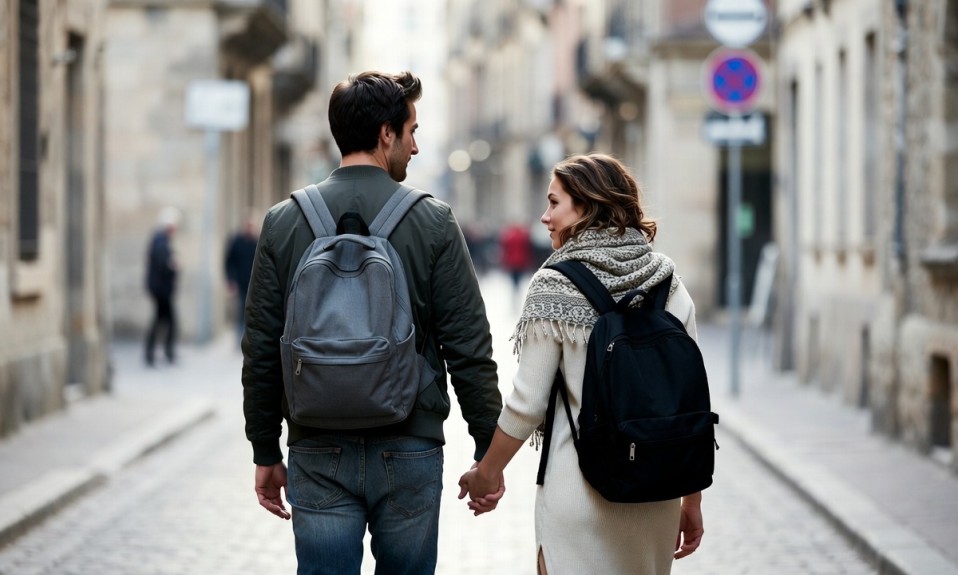
You’re walking side by side through unfamiliar streets, guided by instinct rather than routine. There’s no schedule to rush, no roles to perform — just shared attention moving through a new environment. In moments like these, many couples notice something unexpected: connection feels easier.
Travel has a way of loosening the grip of everyday patterns. Removed from responsibilities and habitual reactions, couples often encounter each other more directly. The absence of routine creates space — not just physical, but emotional — where new dynamics can emerge.
Shared Experiences as Emotional Glue
Travel places couples in situations that require cooperation, adaptability, and trust. Navigating unfamiliar places, solving small problems, and making decisions together fosters a sense of partnership that daily life can dilute.
These shared experiences become emotional reference points. Facing challenges — missed trains, language barriers, spontaneous detours — builds camaraderie. Successes feel shared. Frustrations feel manageable because they’re faced together.
Psychologically, shared challenge strengthens bonding. When couples overcome uncertainty as a team, emotional intimacy often deepens without effort.
Breaking the Patterns That Shape Daily Interaction
At home, relationships often operate on autopilot. Conversations repeat. Roles solidify. Expectations go unexamined. Travel disrupts these loops.
In new environments, partners see each other differently. One may become more confident, adventurous, or reflective. Another may show patience, creativity, or emotional openness not often visible in routine settings.
This shift invites rediscovery. Familiarity transforms into curiosity — an essential ingredient for long-term connection.
Communication Under Pressure Reveals More Than Comfort
Travel doesn’t just amplify joy — it exposes communication habits. Stressful moments reveal how couples navigate disagreement, decision-making, and emotional regulation.
Do you problem-solve together or retreat into frustration? Do you listen or escalate? These moments aren’t failures; they’re mirrors. They show where communication flows easily — and where growth is possible.
Couples who use these moments to check in rather than check out often return home with stronger relational skills than they left with.
Growth Happens in Motion
Travel encourages personal growth by placing individuals outside their comfort zones. When partners witness each other adapting, learning, or confronting fear, respect often deepens.
This growth isn’t always dramatic. Sometimes it’s subtle — increased confidence, openness, or emotional awareness. But shared growth strengthens relational identity. Couples begin to see themselves not just as companions, but as collaborators in evolution.
Growth experienced together tends to integrate more naturally into daily life afterward.
Integrating Travel Insights Back Home
The real impact of travel isn’t measured by photos or memories alone — it’s measured by what changes afterward.
Couples who reflect on travel experiences often identify shifts they want to preserve: more presence, better communication, increased playfulness, or clearer boundaries. These insights can inform daily life if they’re acknowledged intentionally.
Travel becomes transformative not because it escapes reality, but because it reframes it.
Travel as a Relationship Diagnostic — Not a Test
It’s tempting to view travel as a test of compatibility. In truth, it’s better understood as a diagnostic — revealing strengths, stress points, and emotional patterns without judgment.
No relationship travels perfectly. What matters is not avoiding friction, but responding to it with curiosity rather than blame.
When couples return with greater understanding — of themselves and each other — travel has done its real work.
The Journey Beyond the Destination
Travel doesn’t fix relationships. But it does illuminate them.
By removing distractions, inviting presence, and demanding cooperation, travel reveals how partners truly relate — not just how they function within routine. The lessons don’t stay abroad; they follow couples home, reshaping everyday interaction.
Ultimately, travel transforms relationship dynamics not because of where you go, but because of how you show up together along the way.